The technique chosen is bamboo simply tied, not only because it is the most efficient and the cheapest solution for bamboo structures, but also because it is a local technique and it is so simple that it can be taught even to kids. Bamboo is everywhere used: scaffolding in the cities, huts in the countryside, stands in markets. In many countries any shopkeeper, any kid helper is able to tie beams and create a simple structure. The aim is to teach people how to build their homes and how to substitute or reinforce the damaged beams. It is important to remember that any shantytown is a small society, with internal government and unofficial rules. Even now people help each others to build their homes, and other people’s job is to fix that buildings. In the case of Shantitown it is just simpler and cheaper. Bamboo is called “vegetable steel” thanks to its mechanical property, but also “poor’s wood” for its low price and its use in the poorest situations. Besides its environmental impact is very low and its growing is fast.
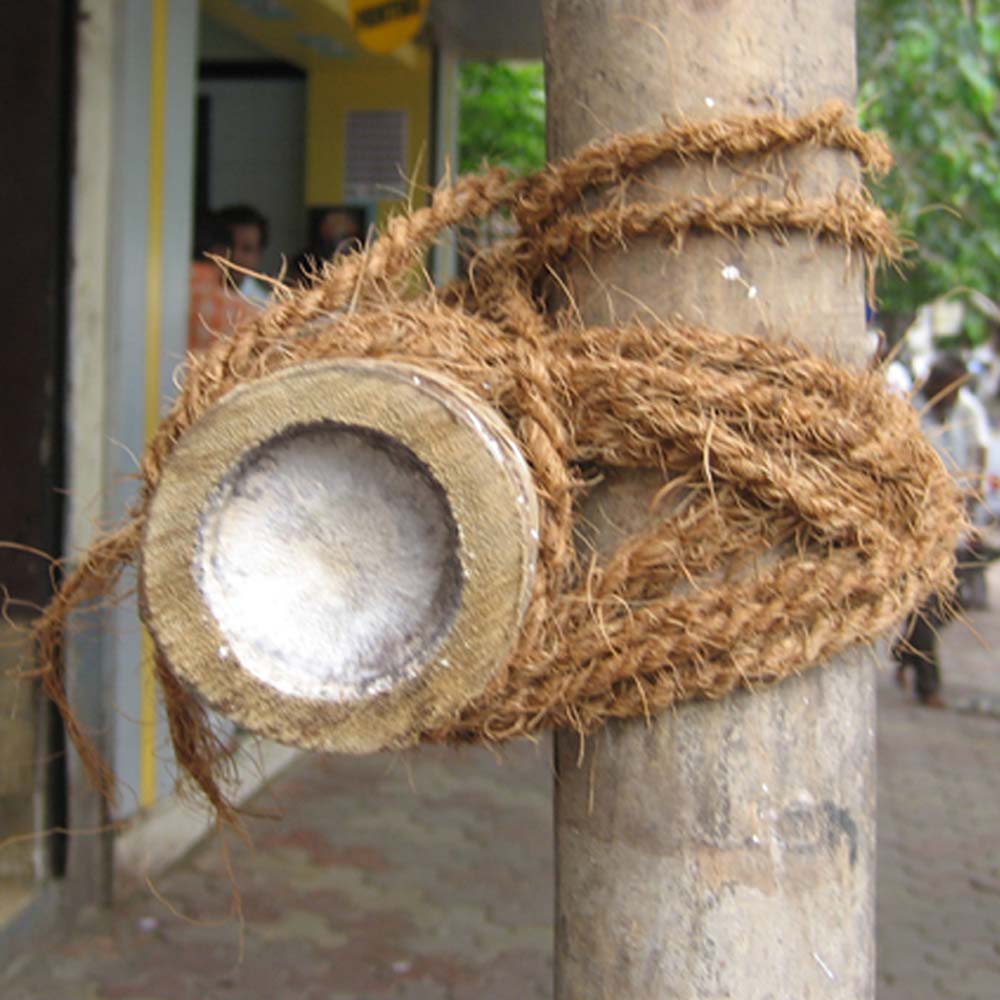
In order to better understand the behaviour of bamboo scaffolding structure, I did several studies in the city of Mumbai. The scientific observation of young kids who fast tie the bamboo beams with coconut fibres for hundred of metres has been very useful to create a model with Straus software as similar as possible to reality, and to understand the techniques of the construction site in poor contexts and the quick time of execution of that kind of frame.


In Shantitown numbers should not be precise because the building is made by inexpert people and is settled in an informal context. So the analysis performed consists of a series of experiments on models with damaged beams in random positions. The goal has been to find out a model previously reinforced in its most fragile part, so that even with serious damages of the structure the main frame can not collapse. The way to find out the most delicate beams to be previously reinforced in this particular frame is by numerous random experiments on 3D models, each of those damaged in its structure in a random way. Besides, it will be taught very easily to people to recognize the serious damages that they must reinforce to keep the structure safe.


No comments:
Post a Comment
Note: only a member of this blog may post a comment.