The very first idea for my work came to my mind while I was coming back home from my second travel in India. I was in a cab in Mumbai, going to the airport, and from my window I was looking at the very poor houses along the road, wandering about some little and cheap changes that could improve their conditions.

I didn’t know yet, but I was crossing Dharavi, the biggest slum of Asia, the second one in the world (as somebody says, but it’s difficult to give numbers in these cases). Dharavi is an incredible working reality, always moving and growing. More than 1 million people lives there, in a slum too near to the centre of Mumbai to be ignored by economical interests.

I came back to Dharavi after 2 years - in 2008 - and I lived in Mumbai for 3 weeks studying the reality of Indian slums, the bamboo scaffoldings system and trying to do my best for my thesis to be as real as possible (I studied Building Engineering and Architecture at the Politecnico di Milano).

“SHANTITOWN” is a play on the words “shantytown” (meaning slum) and “shanti” (sanskrit word for peace).

The idea is to create a multifunction building system for emergency applied to the case of shantytowns. The frame is made with bamboo simply tied, as the techniques of Asian scaffoldings. The claddings are made with different recycled materials, as typical in cases of necessity.

All the material and the techniques are local, nothing needs to be imported, and local Indian workers can teach people to create their home and to maintain it.

I followed the principles of slum (recycled and cheap material, simple systems, teaching of techniques, multifunctional buildings..) trying to obtain the best comfort possible.

Showing posts with label Dharavi. Show all posts

Tuesday, 15 February 2011

A view on Dharavi: Koliwada

Koliwada inglobes the original first settlement of Dharavi: this area was a village of fishermen called Koli. Today it is difficult to recognize the original buildings and the Kolis people is only 6% of the population. 
This district is very famous for the gold worked in Tamil style. 

A view on Dharavi: Transit Camp

This district was born in 1985 from the PMGP (Prime Ministre's Grand Project) to improve the living condition of people in Dharavi. As the name says, it should have been a transit solution for people that the government moved to build new streets and buildings. In time, the "transit" word lost its meaning. 
It is an interesting district to study the abitative solutions that the government gave to people.
 

A view on Dharavi: 13 Compound

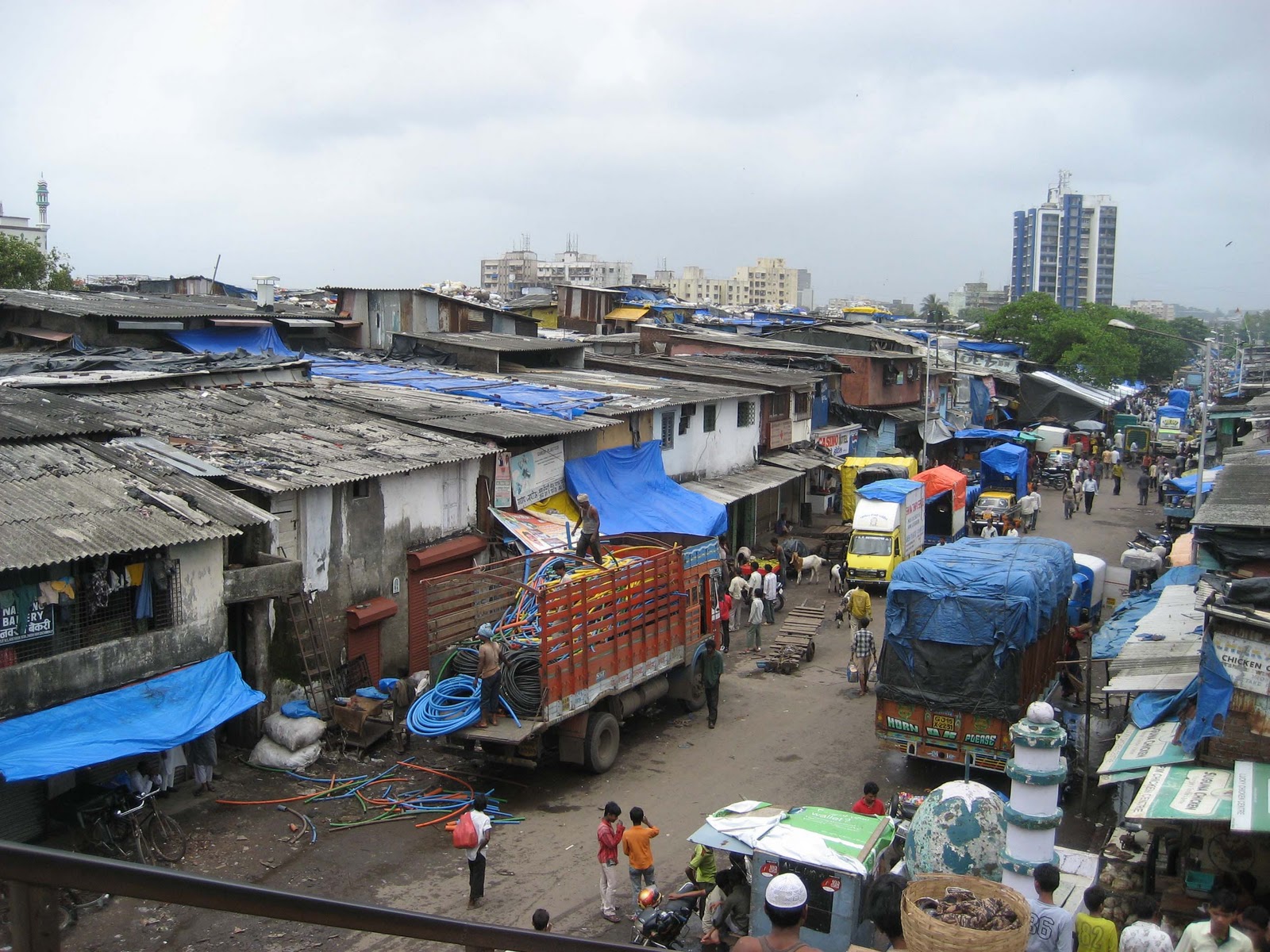
This is the "industrial" district of Dharavi. 
The main activity is recycling, mainly of plastic. It is the biggest industry of this kind in all India with more than 5.000 workers, payed about 40 Rupies a day for 11 working hours. This activity brings millions of Rupies to Mumbai.

Studying Dharavi

Dharavi is one of the largest slum in the world with more than 1 billion people living there. It is an extraordinaryexample of shantytown because it is mainly a working place (a lot of informal activities for big industries of Mumbai are here) and because it is a place so full of any kind of race, language, religion of the incredible Indian variety. 
To reach Dharavi, you just have to take a train and in 20 minutes you can get Mahim or sion stops, next to it. You will find never stopping people, always working, carrying, moving. 

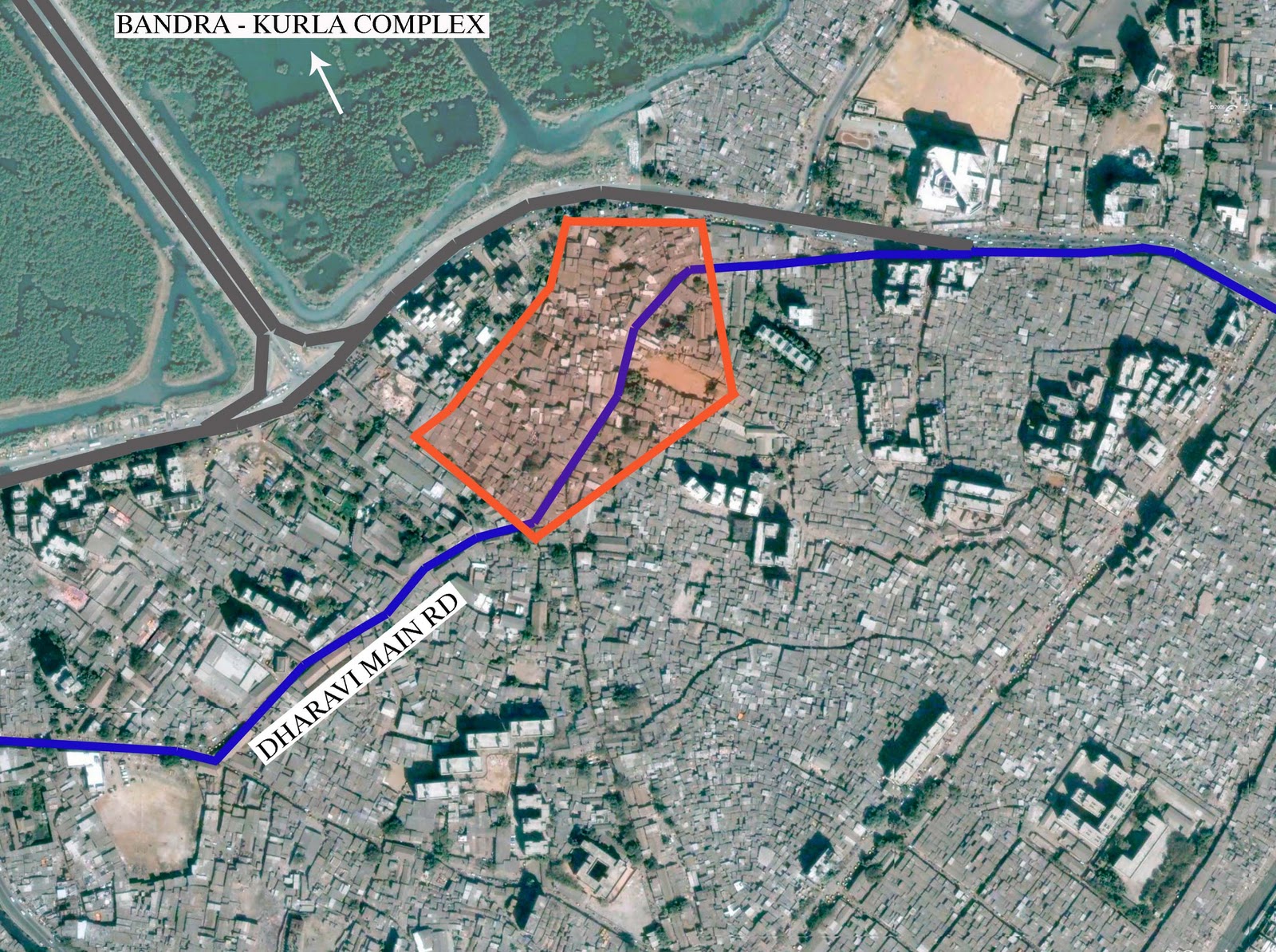
Main roads and railway stations:

Dharavi is born on a marshy ground, unusable for anything, originally it was a simple village of fishermen called Koli, in years the village was fast surrounded by the poor shelters of people coming from the countryside to the city. Today Mumbai grew up and Dharavi is just in its heart (and in the heart of many urban planners..). 


 The district I studied (see the specific section for each):

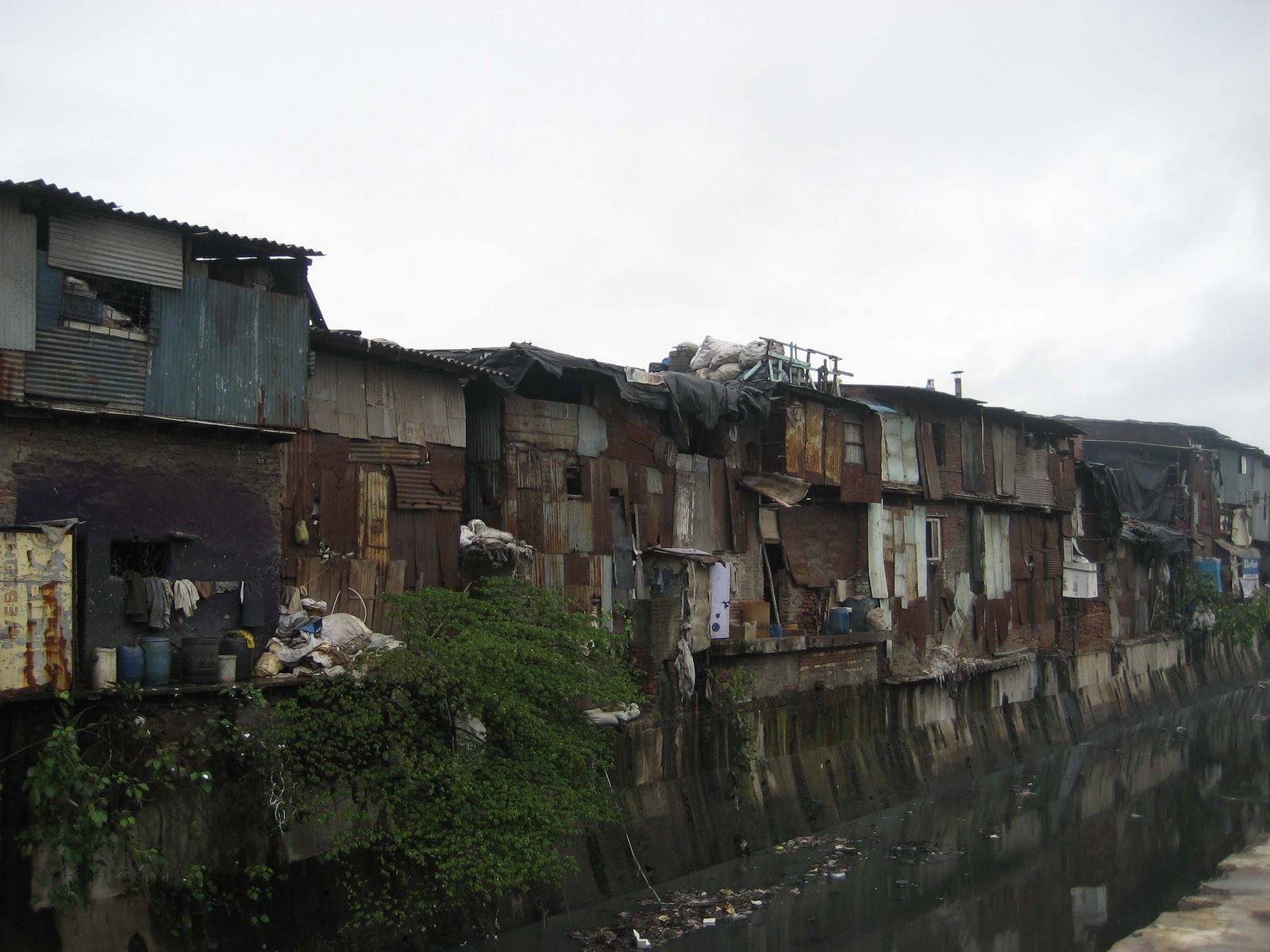
The spaces of a slum, living units:
  
The spaces of a slum, living-working units: